
Dental Night Guards: How They Protect Your Teeth While You Sleep
Discover the signs of nighttime teeth grinding, how a custom dental night guard can help prevent tooth damage, and why protecting your smile overnight may save you from bigger dental problems down the road.
Dental Night Guards: How They Protect Your Teeth While You Sleep
Discover the signs of nighttime teeth grinding, how a custom dental night guard can help prevent tooth damage, and why protecting your smile overnight may save you from bigger dental problems down the road.
You brush your teeth, floss, and do your best to keep your smile healthy. But what happens when you go to sleep? For many people, nighttime teeth grinding and jaw clenching can put their teeth under pressure for hours without them even realizing it.
That is where a dental night guard can help.
A night guard is a protective dental appliance designed to fit over your teeth while you sleep. It helps protect against the wear and damage caused by grinding and clenching, a condition known as bruxism. Over time, untreated teeth grinding can contribute to worn enamel, cracked teeth, tooth sensitivity, and jaw discomfort.
At Glass Dentistry, helping patients understand their dental health is an important part of maintaining a healthy, confident smile. If you frequently wake up with a sore jaw, headaches, or sensitive teeth, learning more about nighttime teeth grinding and dental night guards is a great place to start.
1. What Is a Dental Night Guard?
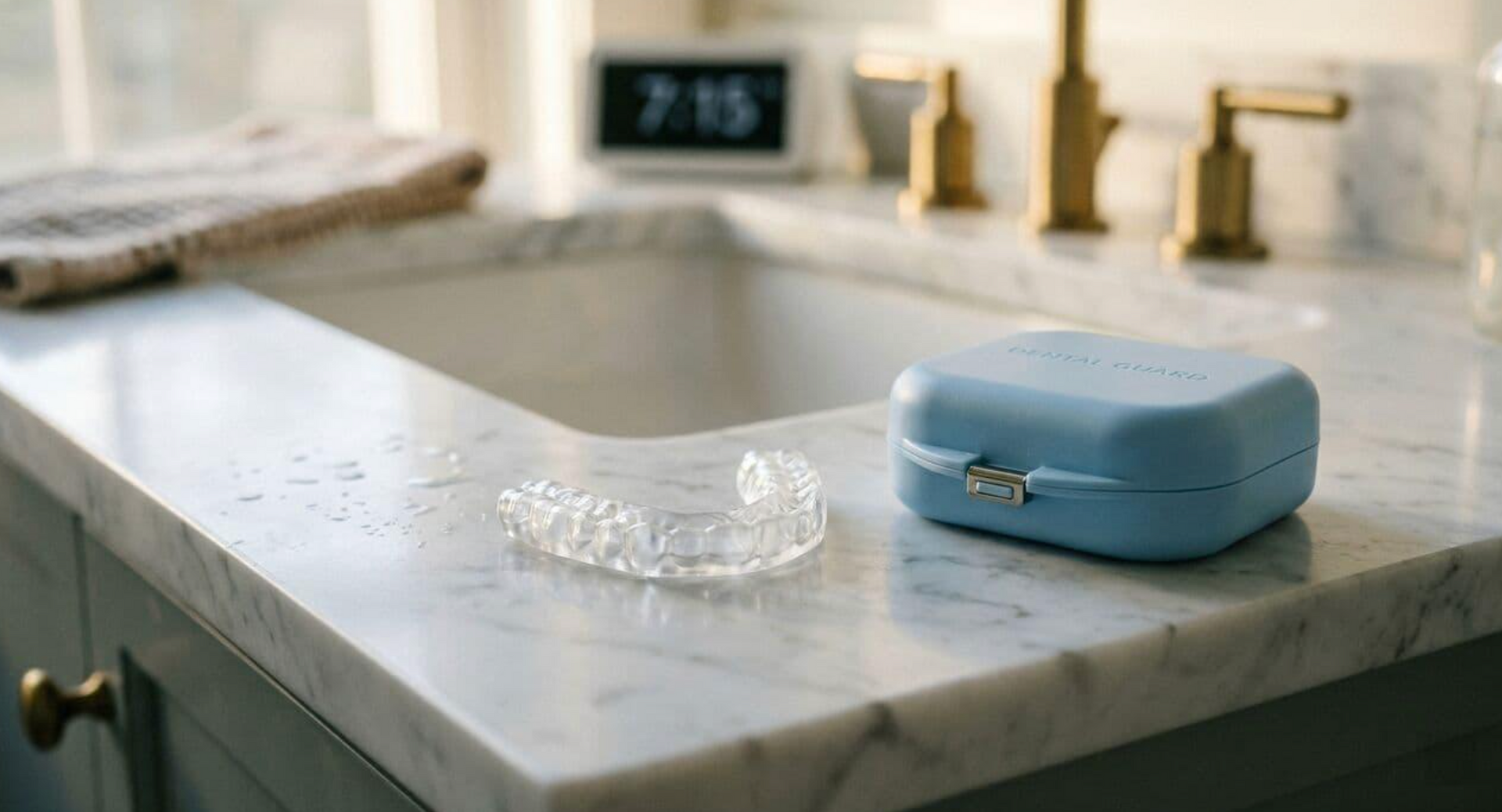
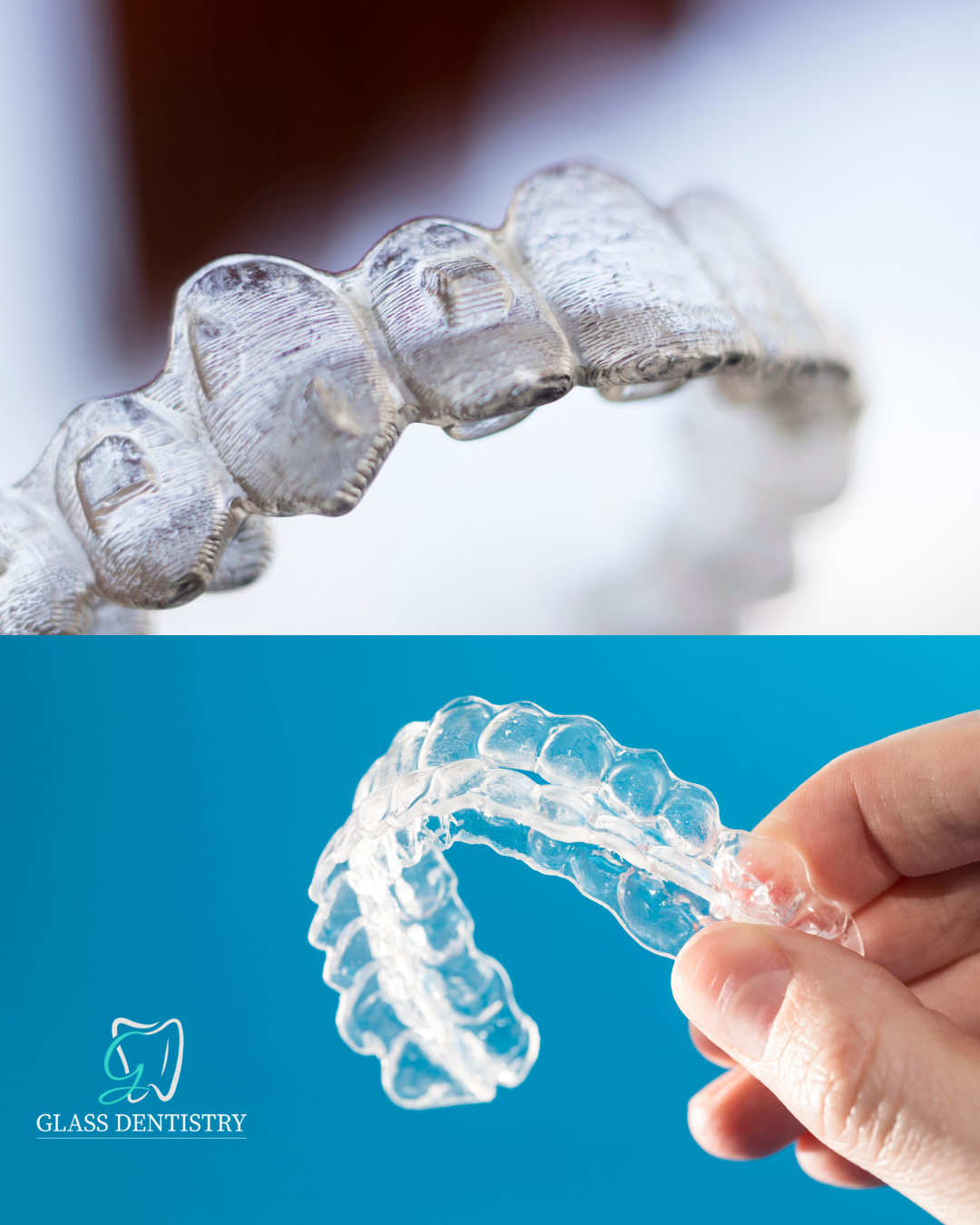
A dental night guard, sometimes called a bite guard or occlusal guard, is a removable appliance worn over the upper or lower teeth while sleeping.
Its main purpose is to create a protective barrier between the teeth, helping reduce damage from repeated grinding and clenching. Depending on your needs, a dentist may recommend a particular material, thickness, or design.
It is important to understand that a night guard does not necessarily stop you from grinding your teeth. Instead, it helps protect your teeth from the harmful effects of that pressure.
A dental night guard may help:
- Protect tooth enamel from excessive wear.
- Reduce the risk of certain chips, cracks, and fractures caused by grinding.
- Protect existing dental work, including crowns and fillings.
- Reduce strain on the jaw muscles in some patients.
- Help manage symptoms associated with nighttime clenching.
The right night guard depends on your bite, symptoms, and the amount of grinding you experience. A dental examination can help determine whether one is appropriate for you.
2. Signs You May Need a Night Guard for Teeth Grinding
One of the biggest challenges with bruxism is that it often happens while you are asleep. You may not know you are grinding your teeth until a dentist notices the signs during a routine examination.
However, your body may give you a few clues.
Common signs of nighttime teeth grinding include:
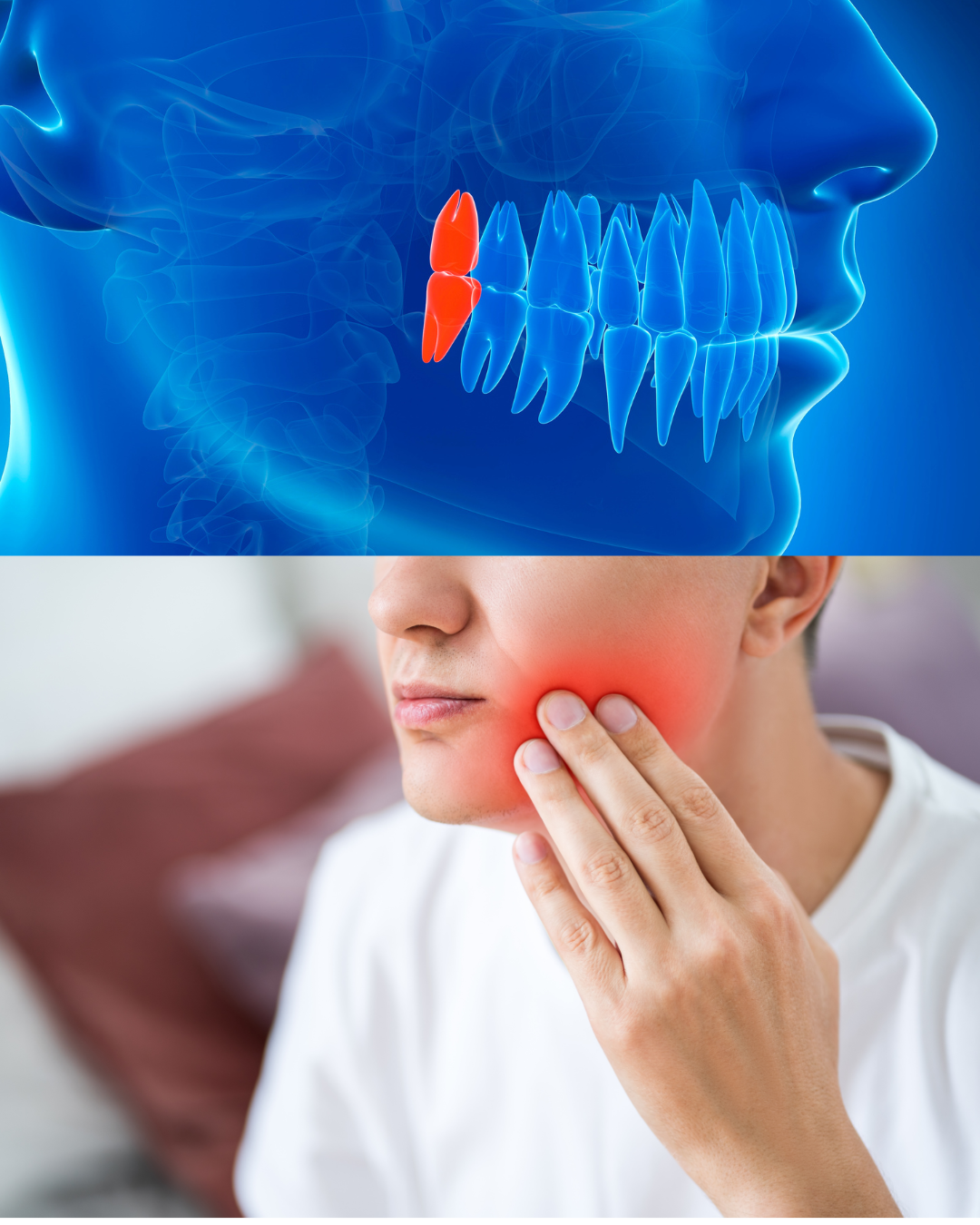
- Morning jaw pain or stiffness: Your jaw muscles may feel tired, tight, or sore when you wake up.
- Frequent morning headaches: Clenching your jaw overnight can contribute to headaches, especially around your temples.
- Sensitive teeth: Worn enamel may make your teeth more sensitive to hot, cold, or sweet foods.
- Chipped or flattened teeth: Repeated grinding can gradually wear down the chewing surfaces of your teeth.
- Cracked fillings or damaged dental work: Excessive pressure can put additional stress on restorations.
- Grinding sounds during sleep: A partner or family member may notice the sound before you do.
Some people also experience facial discomfort or tenderness around the jaw.
According to the American Dental Association's overview of teeth grinding, tooth grinding can have several contributing factors, including stress and certain sleep-related issues.
If you recognize several of these symptoms, bring them up during your next dental visit. Early evaluation can help identify damage before it becomes more serious.
3. Why Is Protecting Your Teeth at Night So Important?
Your teeth are strong, but they are not indestructible. When you grind or clench repeatedly, your teeth can experience significant pressure night after night.
Over time, that pressure may contribute to enamel wear, cracks, broken fillings, and other dental problems. Once enamel is lost, it does not grow back naturally.
Consider what can happen when nighttime grinding goes untreated:
- Tooth wear develops. The chewing surfaces of your teeth may become flatter or uneven.
- Sensitivity increases. As teeth wear down, the underlying layers may become more exposed.
- Cracks and fractures become a concern. Teeth and existing dental restorations may be damaged by repeated pressure.
- Dental treatment may become more involved. Significant damage can require restorative treatment to repair or protect affected teeth.
A properly fitted night guard helps reduce the direct contact between your upper and lower teeth. It can be a useful part of protecting your smile, especially when combined with regular dental checkups and attention to the causes of grinding.
For additional information, the National Institute of Dental and Craniofacial Research explains the causes, symptoms, and treatment options for bruxism.
4. Custom Night Guards vs. Store-Bought Night Guards
When searching online for the best night guard for teeth grinding, you will find plenty of over-the-counter options. While these products may seem convenient, not all night guards fit or perform the same way.
Here is a quick comparison.
Feature
Custom dental night guard
Store-bought night guard
Fit
Made for your individual teeth
General or at-home molded fit
Comfort
Designed around your mouth and bite
Comfort and fit can vary
Adjustments
Can be checked and adjusted by a dentist
Limited adjustment options
Best next step
Dental evaluation and fitting
Ask your dentist whether it is appropriate
A custom night guard from your dentist is designed around your individual dental anatomy. This can make it more comfortable to wear consistently and allows your dentist to evaluate its fit and condition.
Store-bought guards may cost less upfront, but they may not fit everyone well. An uncomfortable or poorly fitting appliance can cause soreness and may not provide the protection you need.
If you have crowns, bridges, implants, braces, or other dental concerns, ask your dentist before choosing an appliance.
The Cleveland Clinic's guide to mouth guards provides additional information about different types of guards and their uses.
5. What Happens When You Get a Custom Dental Night Guard?
If your dentist recommends a custom night guard, the process is usually straightforward.
Here is what you can generally expect:
- Dental examination: Your dentist checks for signs of grinding, worn enamel, damaged restorations, and jaw discomfort.
- Dental impressions or a digital scan: Your teeth are recorded to help create an appliance that fits your mouth.
- Custom fabrication: The night guard is made to match your dental anatomy and treatment needs.
- Fitting and adjustments: Your dentist checks how it fits and makes adjustments when necessary.
- Follow-up care: Your dentist can monitor the appliance and your teeth during routine visits.
You may need a little time to get used to sleeping with a night guard. It can feel unusual at first, but a properly fitted appliance should be comfortable enough to wear as directed.
If it causes persistent soreness, changes your bite, or does not seem to fit correctly, contact your dentist rather than forcing yourself to keep wearing it.
6. How to Clean and Care for Your Night Guard
Once you have a night guard, taking care of it is just as important as wearing it.
Because your appliance sits inside your mouth for hours at a time, regular cleaning helps remove saliva, plaque, and debris.
Follow these simple night guard care tips:
- Rinse after use. Rinse your guard with cool or lukewarm water after removing it.
- Clean it gently. Use a soft toothbrush and a cleaning method recommended by your dentist or the manufacturer.
- Let it dry. Allow the appliance to dry before storing it in its ventilated case.
- Keep it protected. Store it away from pets, direct sunlight, and excessive heat.
- Avoid hot water. High temperatures can warp some materials and affect the fit.
- Bring it to dental appointments. Your dentist can check for cracks, wear, buildup, and changes in fit.
Never assume your night guard will last forever. Grinding can wear down even a durable appliance, so regular inspections help ensure it continues to fit and function properly.
7. Can You Stop Grinding Your Teeth
Completely?
A night guard helps protect your teeth, but it may not address every underlying cause of grinding.
Stress management, improved sleep habits, and identifying contributing factors may also be helpful. Your dentist can discuss appropriate options based on your symptoms and medical history.
For example, you might benefit from:
- Establishing a relaxing bedtime routine.
- Practicing relaxation techniques to manage stress.
- Reducing evening caffeine if it affects your sleep or clenching.
- Discussing persistent jaw pain or headaches with your healthcare provider.
- Seeking evaluation if you have symptoms of a sleep disorder.
If you snore heavily, gasp during sleep, or experience significant daytime sleepiness, talk with your healthcare provider about possible sleep apnea. A standard night guard is not the same as an oral appliance designed to treat sleep apnea, which requires appropriate evaluation and fitting.
The goal is not simply to cover your teeth. It is to protect your smile while addressing any other concerns that may be contributing to the problem.
Protect Your Smile While You Sleep with Glass Dentistry
Your nighttime routine should help protect your oral health, not leave your teeth vulnerable to unnecessary wear and damage. If you wake up with jaw soreness, experience unexplained tooth sensitivity, or have noticed signs of grinding, a dental night guard may be worth discussing with your dentist.
The sooner you identify the problem, the sooner you can take steps to protect your teeth and help prevent avoidable dental damage.
At Glass Dentistry, regular dental visits give you an opportunity to discuss your concerns, identify potential problems, and explore treatment options that fit your needs. Whether you are dealing with nighttime clenching or simply want to take better care of your smile, your dental team can help you understand your options.
Do not wait until grinding leads to a cracked tooth or costly dental repair. Ask your dentist whether a custom dental night guard could help protect your smile for years to come.
Visit GlassDentistry.com to learn more about your dental care options and take the next step toward a healthier smile.



Share On: